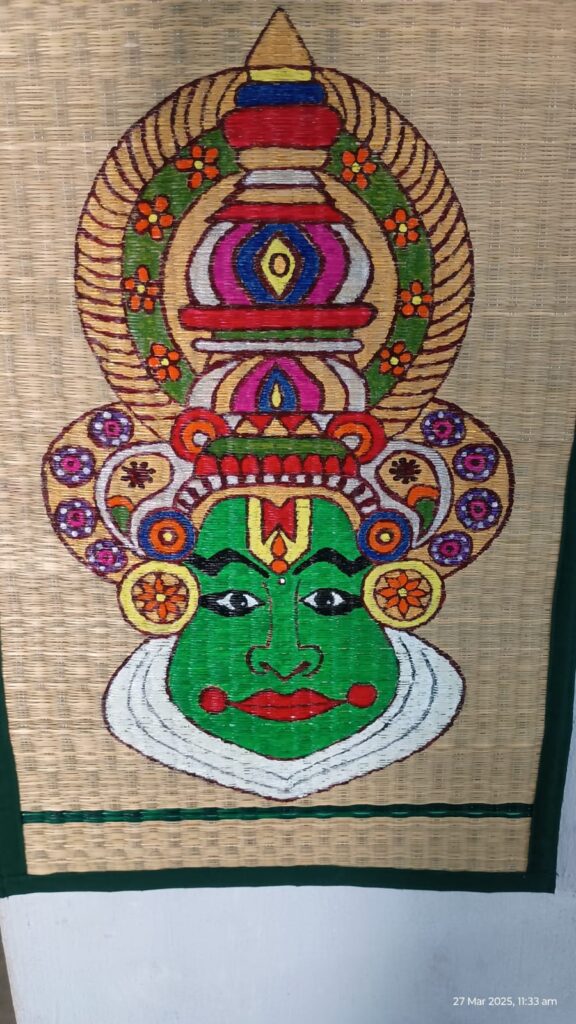
The Ancient Craft of Pulpaya: Kerala’s Traditional Grass Mats
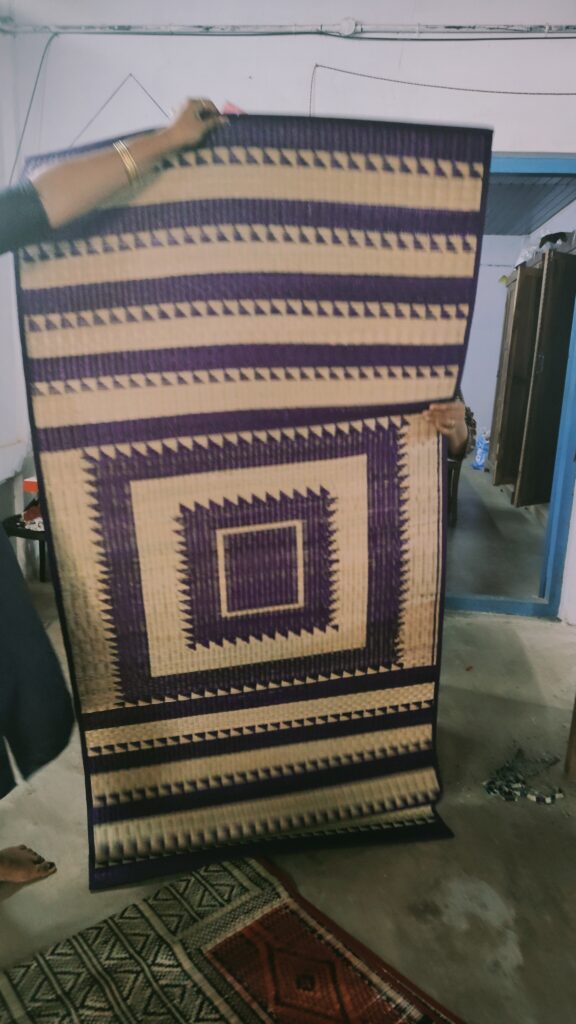
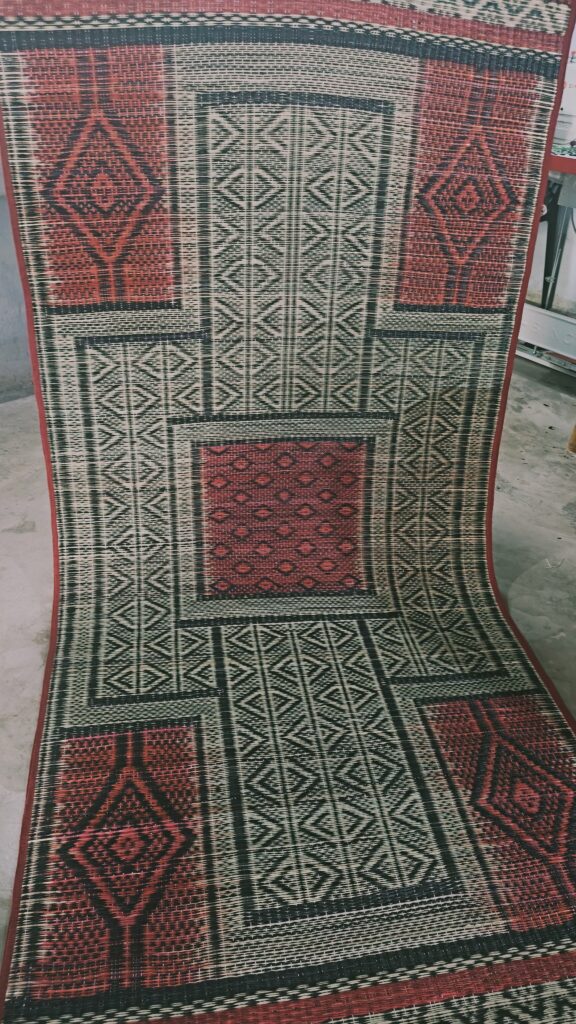
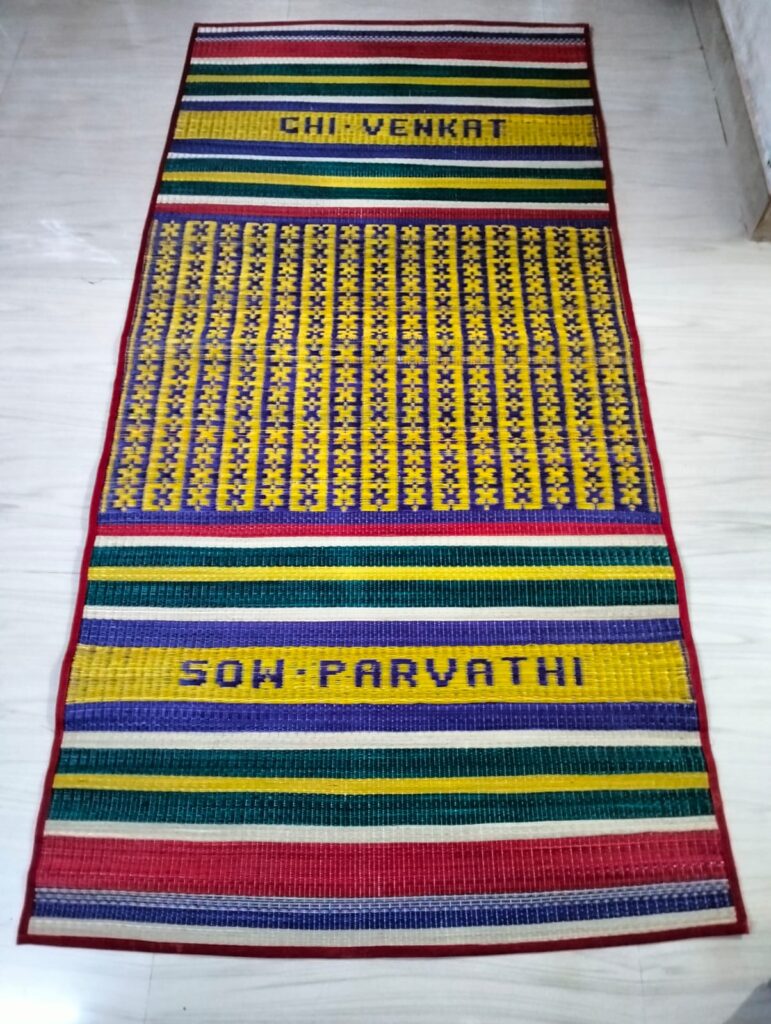
Pulpaya, traditional grass mats from Kerala, have been an integral part of Indian culture since ancient times, with mentions in the Atharva Veda (3500-1500 BC). Historically, these mats were a luxury item, used by the elite for sitting and sleeping.
The Crafting Process
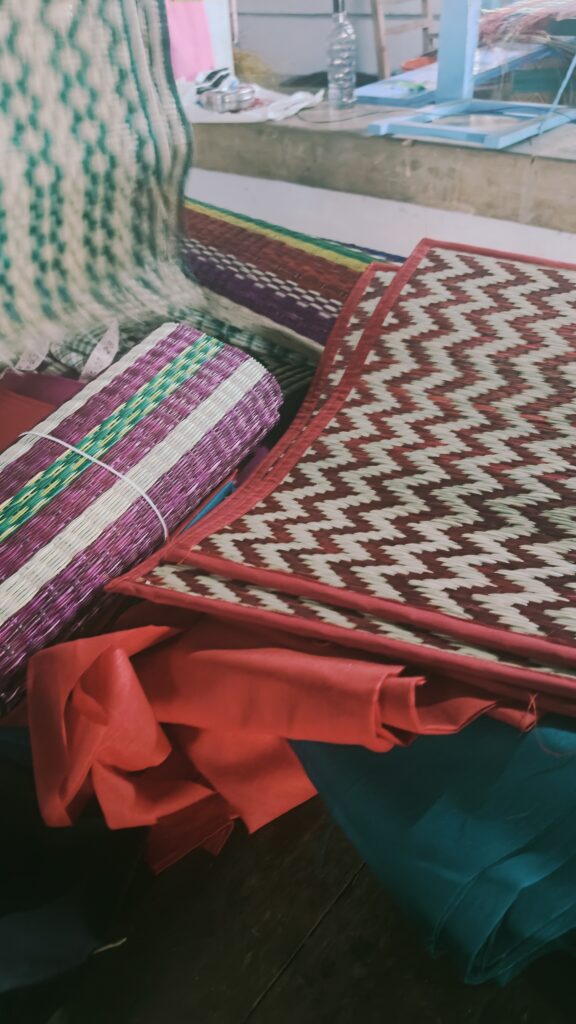
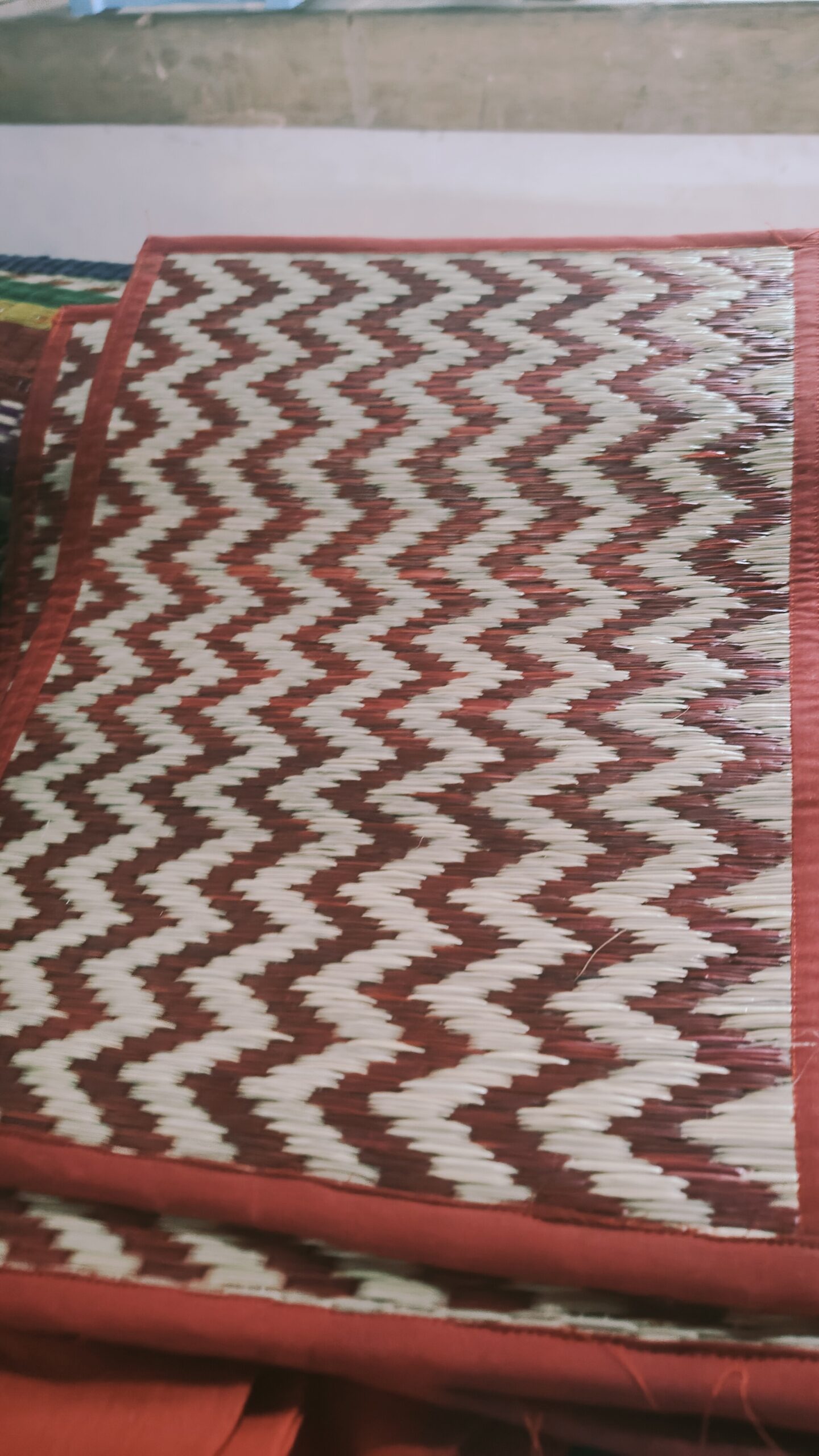
The mats are woven from Korappullu, a species of grass that grows in riverbanks and marshy areas. The crafting process involves:
Harvesting and drying the grass
Dyeing the grass strips using natural and chemical dyes
Soaking the grass to expand it
Weaving the mats on a floor loom using a warp and weft pattern
A Labor of Love
Weaving a Pulpaya requires great skill and patience, taking a full day to complete a single mat. The craft is traditionally practiced by the Kuruva community in Kerala, particularly around the River Bharathapuzha.
A UNESCO-Recognized Craft
In 2006, UNESCO awarded the Kora grass mats of the region its seal of excellence. Today, Pulpayas remain a popular and eco-friendly seating material, with exports across India and abroad.
Beyond Mats
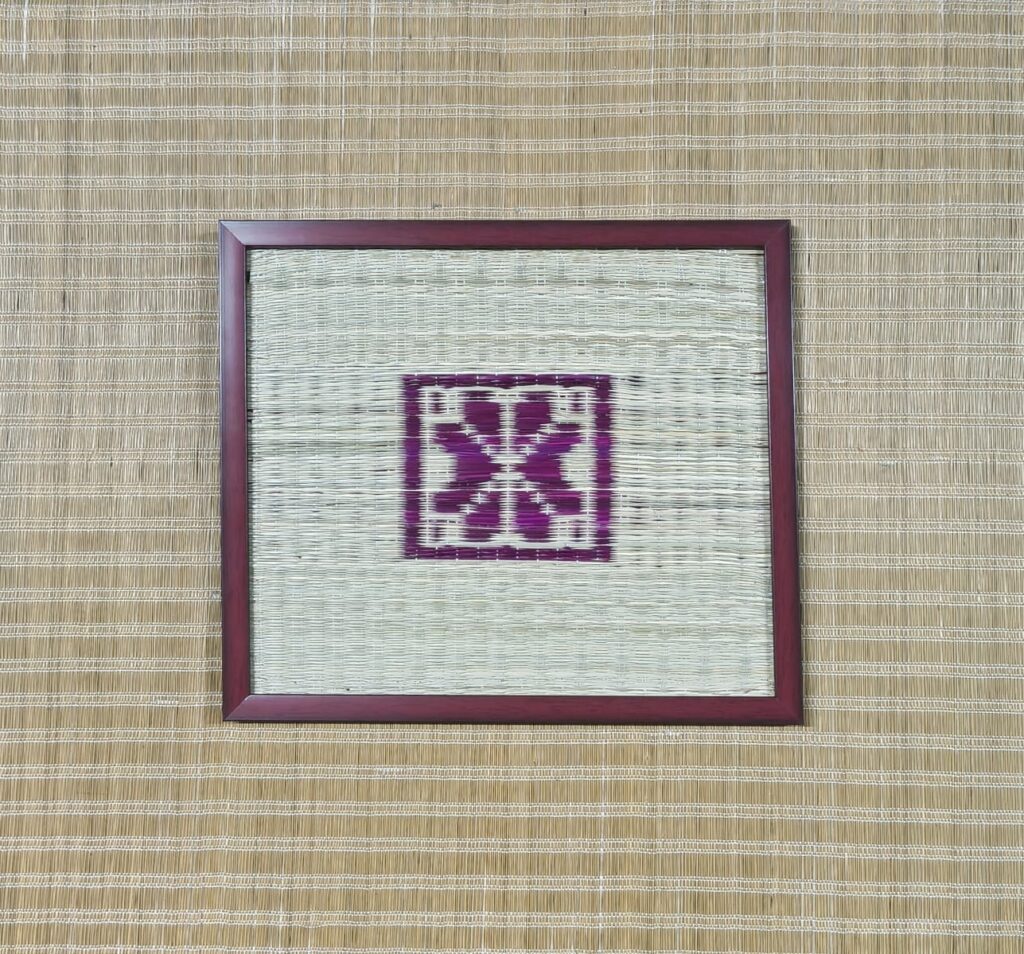
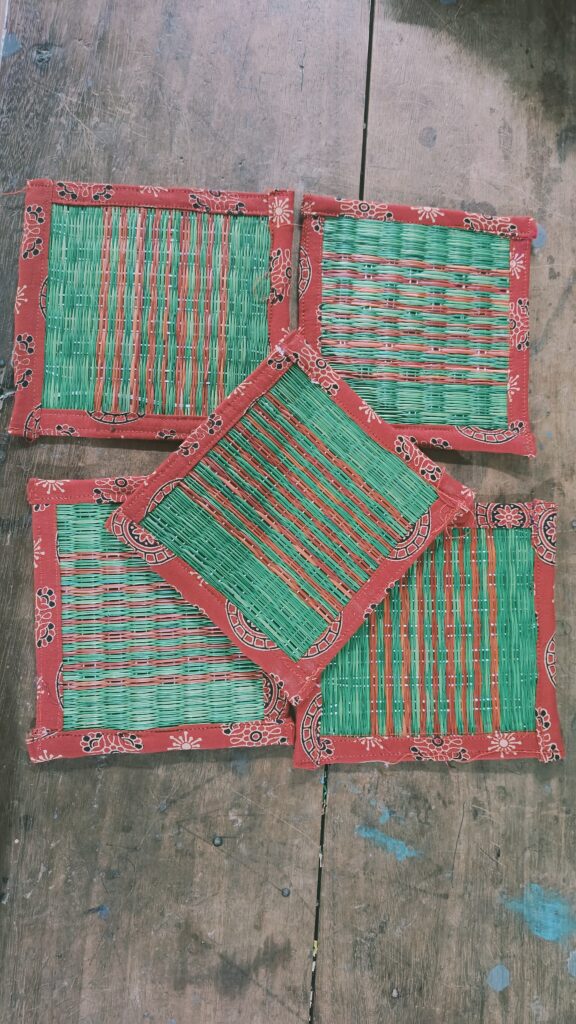
The Korappullu grass is also used to create other articles, such as bags, table mats, and wall hangings, making it a versatile and sustainable craft.